Ransom Exhibition Illuminates Literacy in Ancient Egypt
- Apr 7, 2026


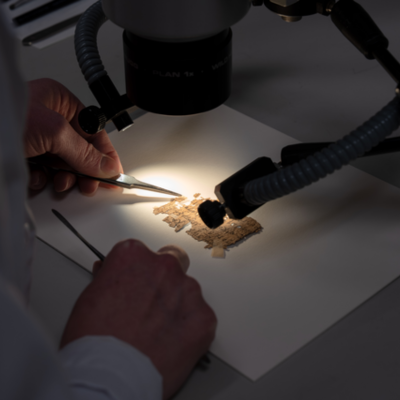
An immersive exhibition at the Harry Ransom Center, “Lives and Literacy in Ancient Egypt,” brings to life voices from the multilingual, multicultural society of Greco-Roman Egypt. Developed in collaboration with the John Rylands Library at The University of Manchester and soon to open for viewing April 11-August 2 at the Ransom Center, this exhibition features rare papyrus manuscripts — fragile, handwritten documents rarely seen by the public.
These humble sheets of "early paper” revolutionized communication in the ancient world, preserving personal letters, legal petitions, magical spells, medical recipes and early religious texts. Each fragment on display offers an extraordinary glimpse of daily Egyptian life, revealing the lives of ordinary people and their vibrant cultures along the Nile.
The exhibition highlights the blending of Egyptian, Greek and Roman cultures, showing how ideas of magic, medicine and religion intertwined. As visitors explore, one moment they might view a mother’s plea for justice scribbled in Greek, and the next, marvel at a guide to ancient healing or a charm meant to ward off harm.
A highlight of the exhibit is one of the world’s earliest fragments of the New Testament, displayed alongside other treasures illustrating how religion and daily life went hand in hand.
“Lives and Literacy in Ancient Egypt” invites audiences to reflect on the written word’s power and the value of fragments: Even the smallest scrap of papyrus can open a window on an aspect of history — whether it's a snippet of a lost literary work, a realistically painted mummy mask, or a shopping list from antiquity.
By piecing together and preserving these delicate remnants, many of which have never been seen in North America, the exhibition celebrates human curiosity and resilience, reminding viewers that every fragmentary story adds to the mosaic of history. This exhibition promises to fascinate visitors and scholars alike, offering a rare opportunity to see ancient history up close — and to support the ongoing research and preservation of these timeless voices.
For deeper information view the video on YouTube and read the full story on the Harry Ransom Center website.